Concerns and Pollutants
Although the Iron River is one of the finest brook trout streams in the Upper Peninsula, a number of factors threaten its condition. Like most waters throughout the United States, non-point source pollution–or pollution caused when rain, wind, or snow carry pollutants into waterbodies–is the biggest reason for decline in water quality. Pollutants such as sediment (dirt, sand, clay particles), nutrients (excess fertilizer, animal waste, etc.), or toxic chemicals from automobiles, businesses, or homes accumulate in the water and leave a lasting negative impact. In the Iron River, sediment is the primary pollutant of concern. Understanding what these pollutants do and where they come from is the first step in preventing their future impact and improving our water today.
Farming has long been a vital part of the health and success of our nation. However, it has at times also led to the detriment of many of our waterways. Erosion from fields, excess fertilizer in runoff, and the harm to water quality from livestock in an around the stream can have serious consequences.
In the Iron River watershed, we worked with local farmers to help protect the shoreline and water quality of the Iron River. For years, cattle had free access to the Iron River and would frequent the river during the warm summer months to drink. As a result, areas of stream bank had eroded and sediment and livestock waste flowed in the river. As part of the Iron River Watershed Project, we teamed with a landowner to install fence to protect approximately one mile of frontage along the Iron River. In addition, we also provided a well and watering system to supply his cattle with an alternate, safe source of water.
Goals
- Water Quality
- Resoration
- Fish Passage
Jump to sections
Sediment
Iron County, sources of sediment are abundant and constitute the a major concern. Dirt and sand particles, from roads in town, erosion from gravel pits, and other sources of sediment are introduced into the river through storm drains. This is especially true in spring, when tons of sand and dirt used on the roads in the winter are washed into the river during the spring melt.
Sediment can affect a stream in a variety of ways. Trout populations are dependent on cold clean water and gravel stream bottoms. Brook trout, more than other species of trout need this kind of gravel substrate for their spawning grounds. The gravel protects the eggs and at the same time allows water flow over the eggs, supplying them with oxygen. When sedimentation occurs, dirt and sand particles settle over the bottom of the stream and suffocate the eggs. Similarly, aquatic insects are deprived of gravel substrate. High concentrations of sediment change the habitat for these aquatic organisms and in turn, decrease the amount of food available to trout. Additionally, sedimentation increases turbidity (clarity of the water). Suspended dirt and sand particles in the water transport pollutants, increase water temperature since darker water absorbs and retains more heat, and make it harder for fish to find prey.
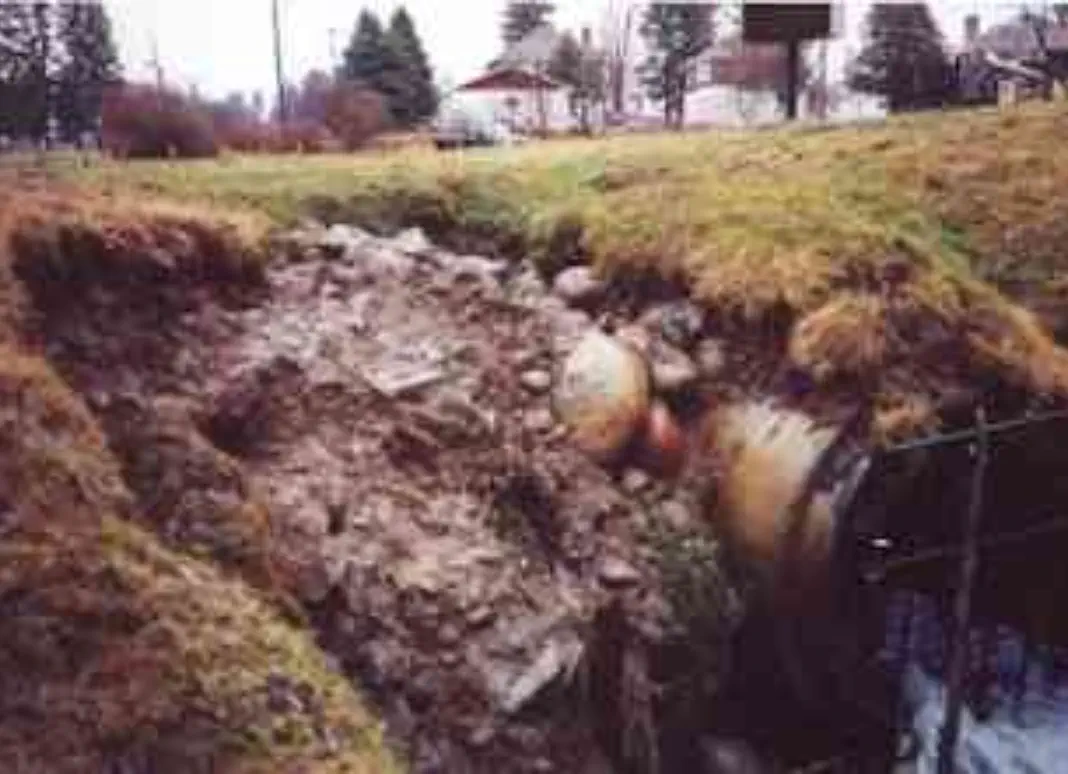
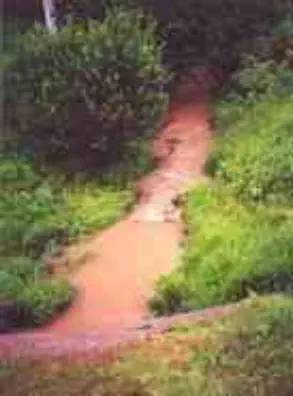
In the Iron County Watershed, sources of sediment are abundant and constitute the majority of immediate concerns. Numerous storm drains have poor outlets that either empty directly into the river, or drain at the top of a slope and result in gullies or washouts. Gravel pit operations near the river have also contributed tons of sediment from erosion.
Temperature
Trout are very sensitive to changes in water temperature. The optimal temperature range for growth and survival of brook trout is 55 to 65° F. Trout streams are often dependent upon their tributaries to supply the cold water that regulate a healthy coldwater fishery. However, many of the streams that feed the Iron River have less than optimal temperatures. Despite the warmer water input from the feeder creeks, a key ingredient to what makes the Iron River watershed so unique is the strong, cold groundwater recharge that flows directly up through the stream bottom. The groundwater recharge that the Iron River receives balances the warm water of the creeks and maintains suitable habitat for brook trout.
Thermal pollution is significant because it affects the amount of oxygen in the stream. The colder the water, the more oxygen the water can hold, and trout need plenty of oxygen. During the summer months, impervious surfaces such as roof shingles, sidewalks, and streets absorb heat as the weather gets warmer. Then when rain events occur, the heat is transferred into the runoff as the water flows over those surfaces. Currently, the watershed is able to cope with the relatively limited number of occasions when this happens. However, as housing and business development in the watershed increases, the impervious surfaces that result will do two things. First, it will increase the area that readily absorbs heat and consequently increase the amount of warm water that will enter the stream during storm events. Second, it will decrease the amount of area able to absorb precipitation and thereby decreases the amount of groundwater available to maintain the cold water recharge.
In the Iron County watersheds some of the creeks such as Nash, Sunset, and Stanley are historically known to have contained viable brook trout populations. Over the last 50 years, changes n the watershed have left these creeks unsuitable for a sustainable brook trout fishery. Disregarding the effects that impervious surfaces and numerous impoundments have in the watershed may lead to a similar result for the Iron River.
Nutrients
The introduction of nutrients in any biological system will stimulate plant growth and productivity. It is for this reason that farmers apply fertilizer to their crops, and homeowners use fertilizer and other chemicals on lawns and gardens. In an aquatic ecosystem, nutrients act in much the same way, stimulating growth in algae and other aquatic vegetation. However, too much plant growth in an aquatic system can be detrimental. Apart from being a nuisance to lakefront property owners and recreationists, it can also have a very real impact on the water quality and fish population of a lake or stream.
Die-off and decomposition of algae blooms can reduce dissolved oxygen and suffocate fish and other aquatic life. Some forms of algae (blue-green) may produce toxins that can be harmful if ingested by humans and animals. As algae die and decompose, the process consumes oxygen. Submerged plants without sunlight die, decompose and consume more oxygen. Without enough dissolved oxygen in the water, fish and other organisms suffer and die because they can't “breathe” (MN PCA, 2008).
Toxic Compounds
Toxic chemicals and other hazardous materials such as oil, grease, and metals can be severely damaging to aquatic plants and animals. Over time these pollutants collect on streets, parking lots and driveways. During rain storms these substances are washed away with other pollutants and become concentrated in the runoff. In the Iron River watershed, these substances typically enter the streams via storm drain outlets and road crossings.
There is a corridor along the Iron River which spans roughly from M-73 to the US-2 bridge in Iron River. Toxic accumulation is present in this corridor in many locations.
Acid Mine Drainage
"Yellow boy" is the common name for the yellowish-orange precipitate that results from acid mine drainage. Much like sediment, yellow boy covers the stream bottom and diminishes fish and aquatic insect habitat. However, unlike sediment, yellow boy clings to objects it comes into contact with, including submerged logs, rocks, fish gills, or even aquatic insects.
Consequently, yellow boy is often much more detrimental and displays its effects in a considerably shorter amount of time. The acidic conditions that lead to yellow boy also change the water quality making it difficult for the animals that inhabit the stream to survive and prosper.
Iron County was built on the mining of iron and the Iron River watershed has absorbed the impact of these ore operations over the course of the 20th century. Although mines in Iron County have all closed, the evidence of their presence is still noticeable today. While the old mine buildings and equipment provide historical value for the community, the waste rock piles and flooded mine shafts still pose some threat to the local environment. Waste rock piles can be found throughout the watershed, with some of the most potentially harmful occurring along the river in a corridor that extends from Garnett Street in Iron River to Brady Avenue in Caspian.
Pyritic iron ore (sulfur-containing iron), in contact with the air and water oxidizes to create sulfuric acid which reacts with the ore to result in an acidic iron solution. After further oxidization and the neutralization of the solutions in water, the iron falls out of solution, forming “yellow-boy”.
Eventually the surfaces of the waste rock piles lose their ability to produce acid mine runoff. The biggest problem in dealing with eliminating the waste rock piles is the fact that in disturbing the waste rock, new rock with the capacity to produce more acid and yellow boy is exposed, aggravating the situation once again. The nature of the rock along with the vast extent of its presence in the watershed poses serious problems relating to the cost of removal and disposal.
In the past, work has been done at two locations that were known to have a serious detrimental effect on the river. Implementation of a series of treatment ponds and wetlands at both the Dober Mine and Buck Mine locations enabled the participation and settling of yellow boy before entering the river. These systems made a positive impact, but the study and maintenance of these ponds and wetlands are required to determine if they have reached their carrying capacity. The need to address the lifespan of these treatment systems and the extensive number of other untreated areas support the high priority of resolving acid mine drainage problems.
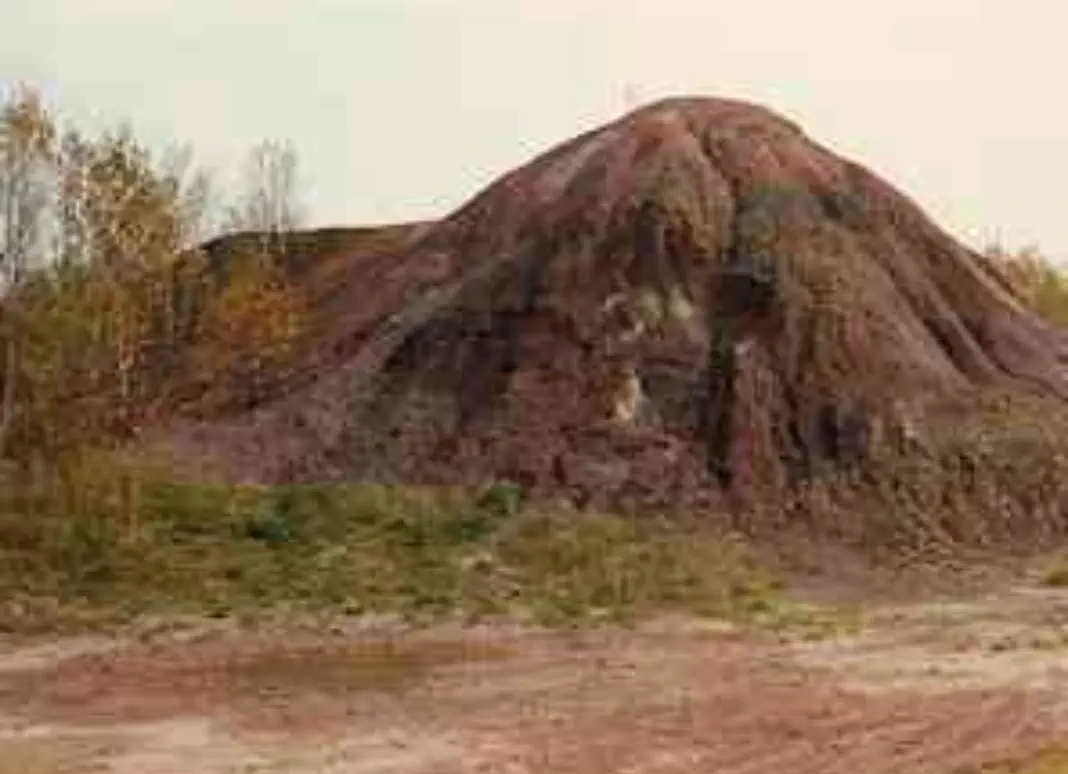
A typical waste rock pile found along the Iron River.
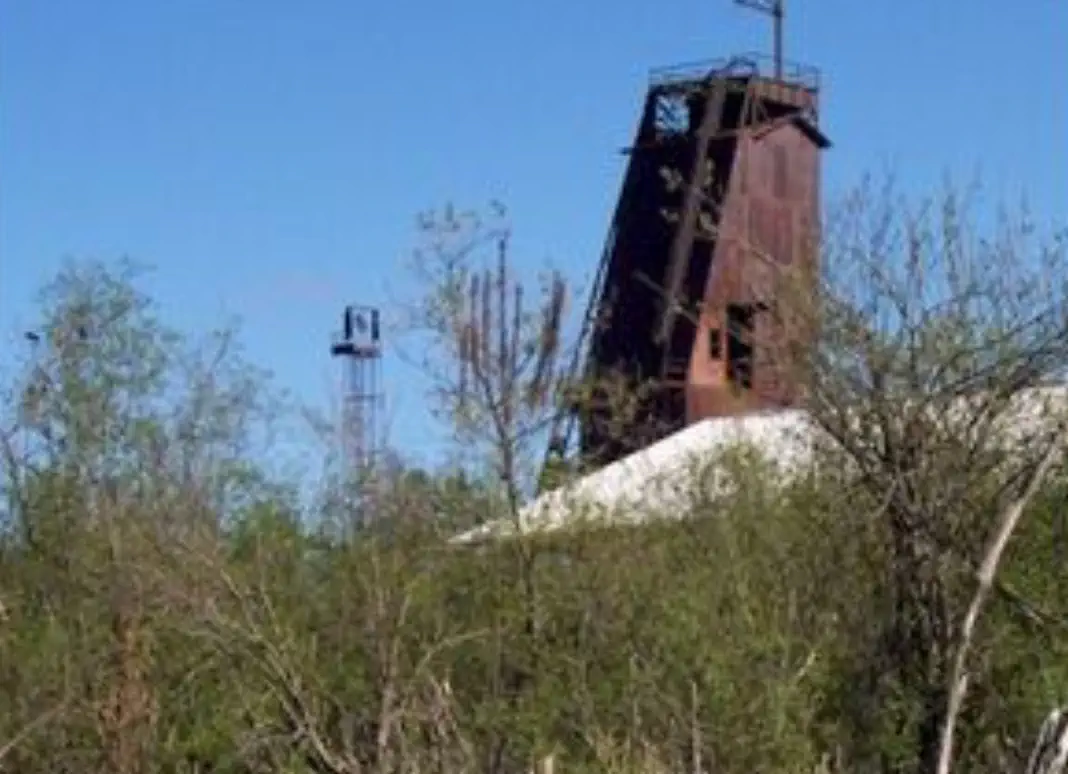
Mine shaft in Iron County.

Treatment systems at the Buck Mine and Dober Mine locations allow for the precipitation and settling of yellow boy before it enters the river, leading to vast water quality improvements in the Iron River.
Invasive Species
The Iron County Watersheds are not immune to invasions by aliens. Without proper action these unwelcome species threaten to overtake our lakes and streams.
"Exotic" species—organisms introduced into habitats where they are not native—can have a profound impact on natural plant and animal communities. In a short amount of time, these non-native species can severely alter and degrade native ecosystems and disrupt a biological balance that took centuries to create.
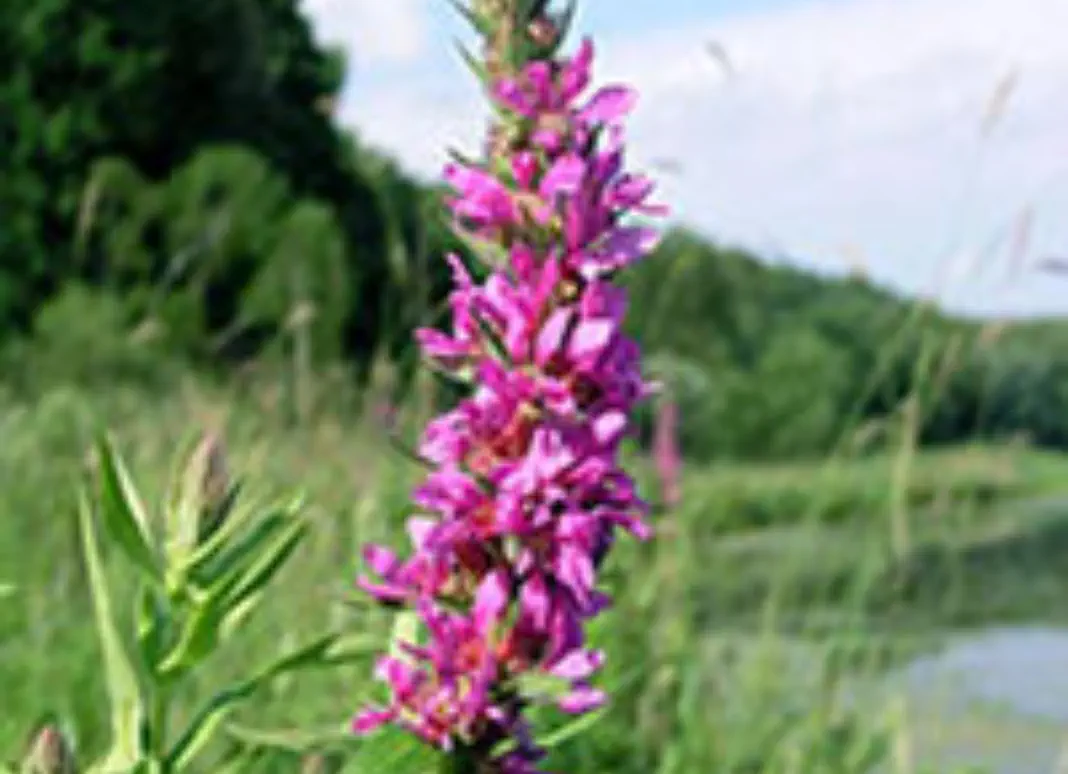
Purple Loosestrife invades marshes and lakeshores, replacing cattails and other wetland plants. The plant can form dense, impenetrable stands which are unsuitable as cover, food, or nesting sites for a wide range of native wetland animals including ducks, geese, bitterns, muskrats, frogs, toads, and turtles. Many rare and endangered wetland plants and animals are also at risk.
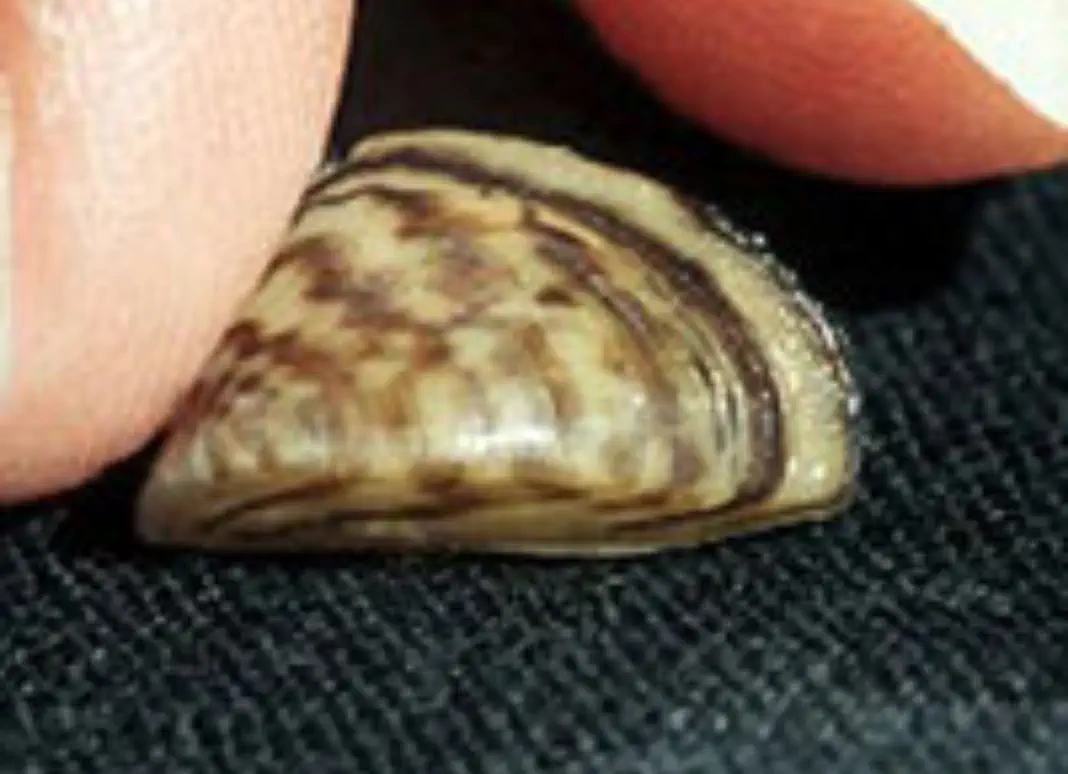
Zebra mussels have shells that are triangular in shape and can sit flat on the ventral side (unlike quagga mussels which have more rounded shells and cannot sit flat). Their shells rang in color from almost white to tan or brown with darker concentric rings. The average length of a zebra mussel is one inch. Once they are in a waterbody they are their to stay.
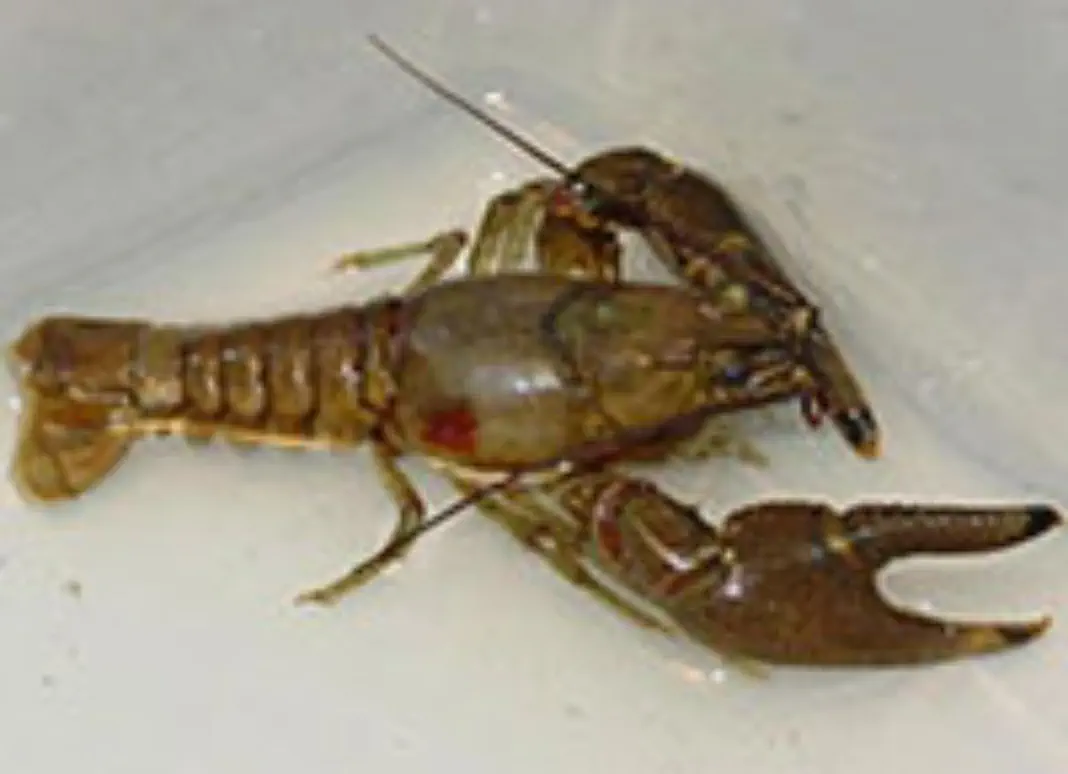
Rusty Crayfish are native to streams in the Ohio, Kentucky, and Tennessee region. Spread by anglers who use them as bait, Rusty Crayfish are prolific and can severely reduce lake and stream vegetation, depriving native fish and their prey of cover and food.

Spiny waterfleas are zooplankton (tiny animals) that feed on other zooplankton, decreasing the food supply for native fish. Spiny waterfleas are very small, approximately 1/4 to 1/2 inch in length. Each has a long, straight tail spine that’s twice the length of its body.
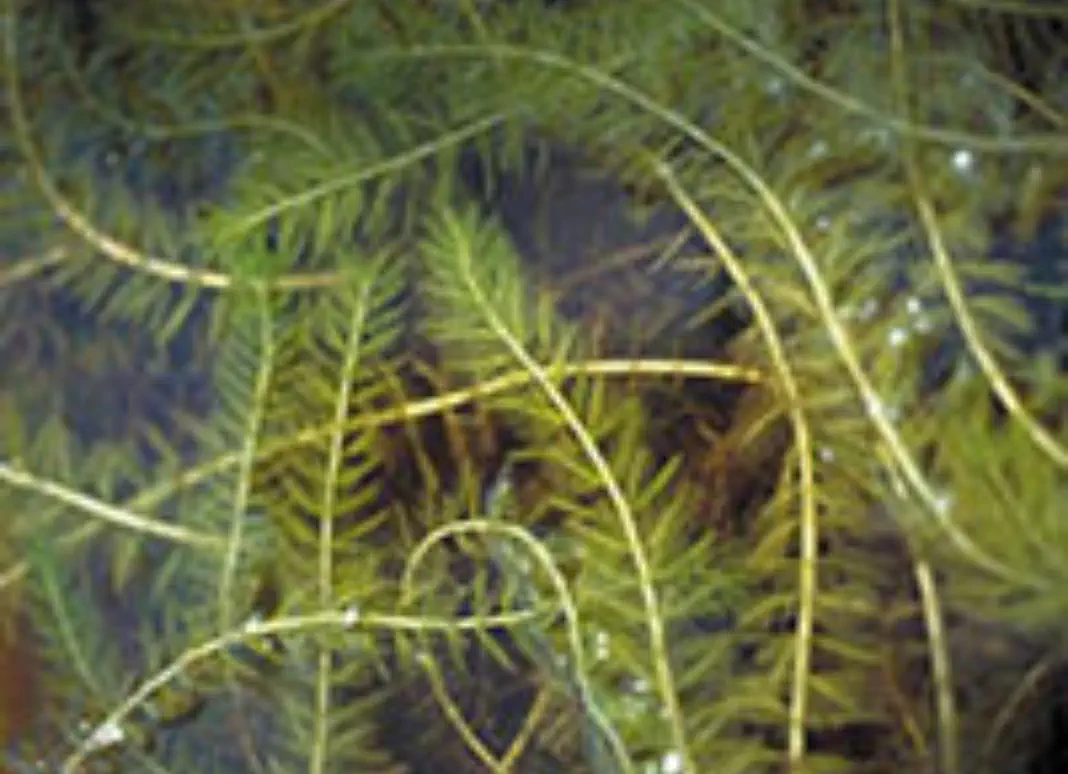
Eurasian water-milfoil was accidentally introduced to North America from Europe. It can form thick underwater stands of tangled stems and vast mats of vegetation at the water’s surface. In shallow areas the plant can interfere with water recreation such as boating, fishing, and swimming. The plant’s floating canopy can also crowd out important native water plants. Eurasian water-milfoil can establish quickly by its ability to reproduce through stem fragments and runners. A single segment of stem and leaves can take root and form a new colony. Segments as small as two inches can survive out of water for weeks and can accidentally be transported to different lakes via fragments left on boat propellers or other watercraft apparatus, especially boat trailers.
Stop the Invasion
INSPECT your boat, trailer, and boating equipment and remove any plants and animals that are visible before leaving any waterbodies.
DRAIN water from the motor, livewell, bilge, and transom wells while on land before leaving any waterbody.
EMPTY your bait bucket on land before leaving the waterbody. Never release live bait into a waterbody or release aquatic animals from one waterbody to another.
WASH and DRY your boat, tackle, trailer, and other boating equipment to kill harmful species that were not visible at the boat launch. This can be done on your way home or once you have returned home.
LEARN what these organisms look like. If you suspect a new infestation of an exotic plant or animal, report it to your natural resource agency.

Click here to learn more about boating laws ↗
Please take a moment to educate yourself on Invasive that are a Threat to Michigan (Links are directed to the Michigan.gov website):
Reports
Paint River Watershed
Wild and Scenic River Comprehensive River Management Plan 2007 (PDF) ↗
Iron River Watershed
Bond Report: Iron River Watershed Comprehensive Management Plan 2001 (PDF) ↗
Bond Report: Iron River Management Plan 2001 Appendix (PDF) ↗
Agriculture
Farming has long been a vital part of the health and success of our nation but has at times led to the deterioration of many of our watersheds. Erosion from fields, excess fertilizer in runoff, and the harm to water quality from livestock in and around streams or lakes can have serious consequences.
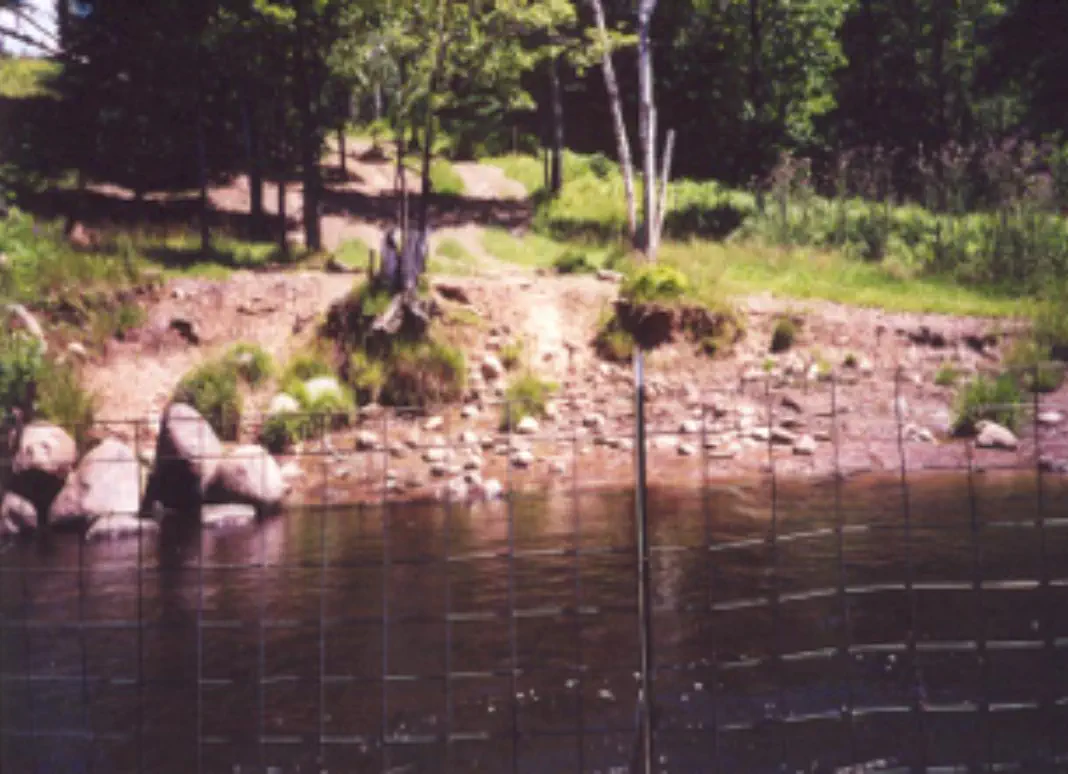
In the Iron River watershed, we worked with local farmers to help protect the shoreline and water quality of the Iron River. For years, cattle had free access to the Iron River and would frequent the river during the warm summer months to drink. As a result, areas of stream bank had eroded and sediment and livestock waste flowed into the river. As part of the Iron River Watershed Project, we teamed with a landowner to install fencing to protect approximately one mile of frontage along the Iron River. In addition, we also provided a well and watering system to supply his cattle with an alternate, safe source of water.

Road Crossings
Often, and especially in rural areas, road crossings over streams or rivers are installed with little regard to how they affect what is beneath the road. Improperly sized culverts and errors in designing roads can lead to changes in how a stream flows. This can affect water velocity, the shape of the stream, and lead to erosion.
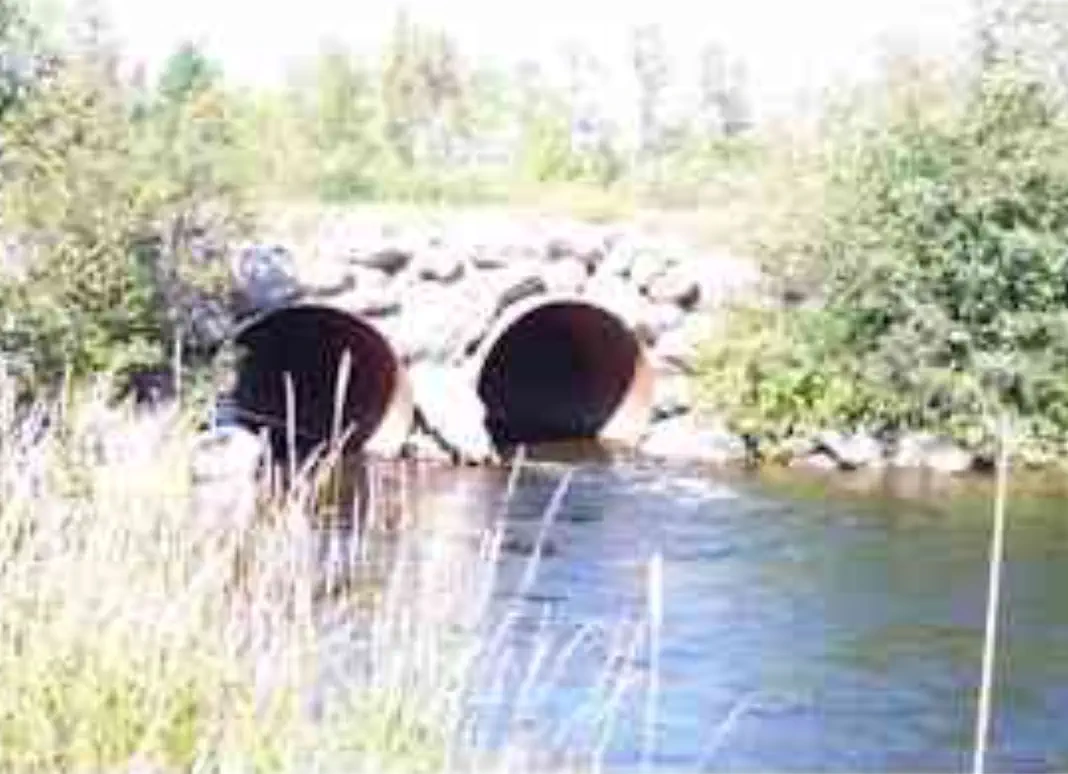
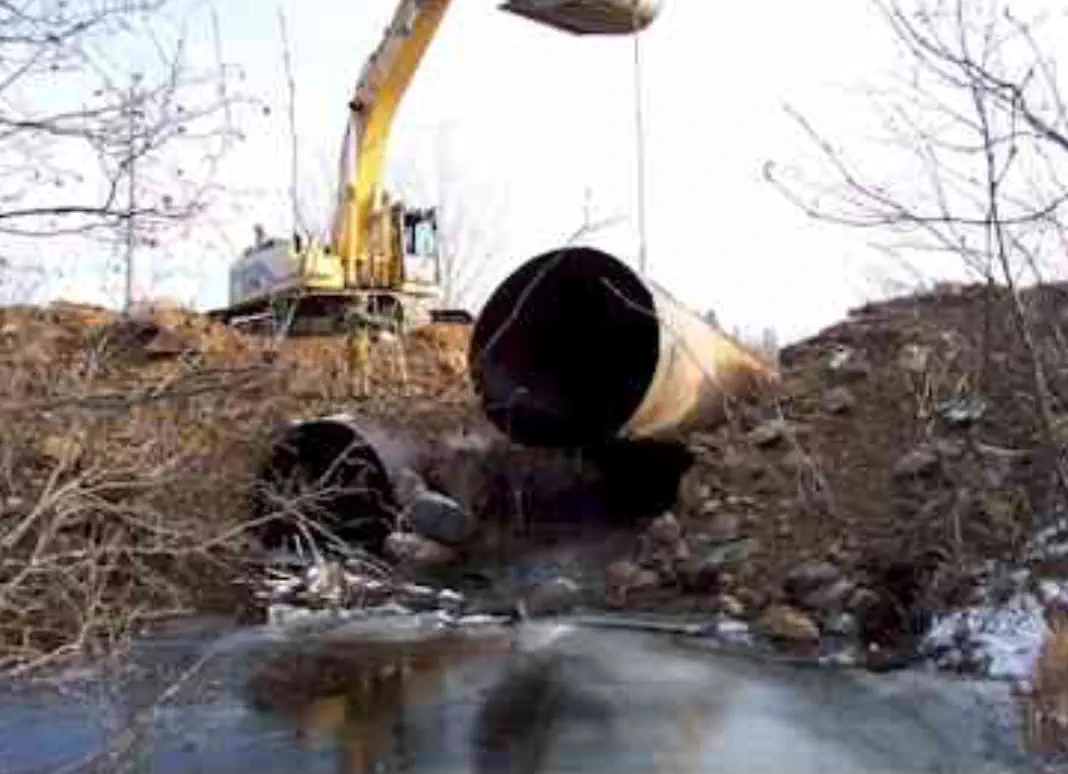
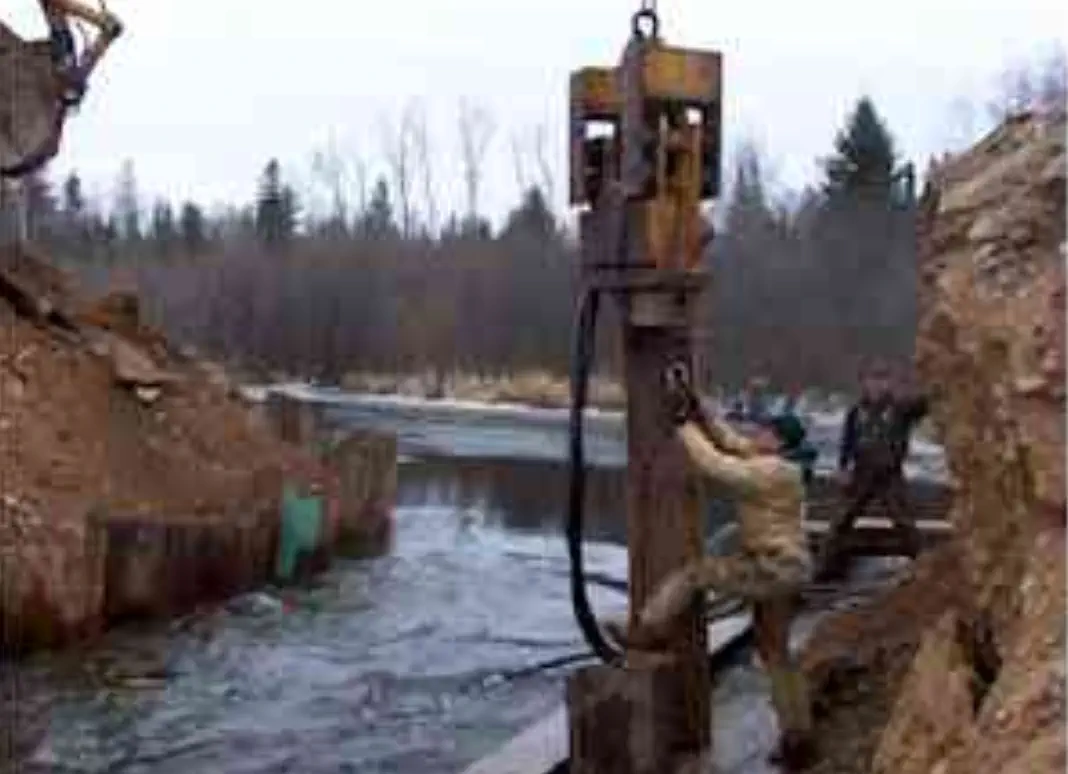
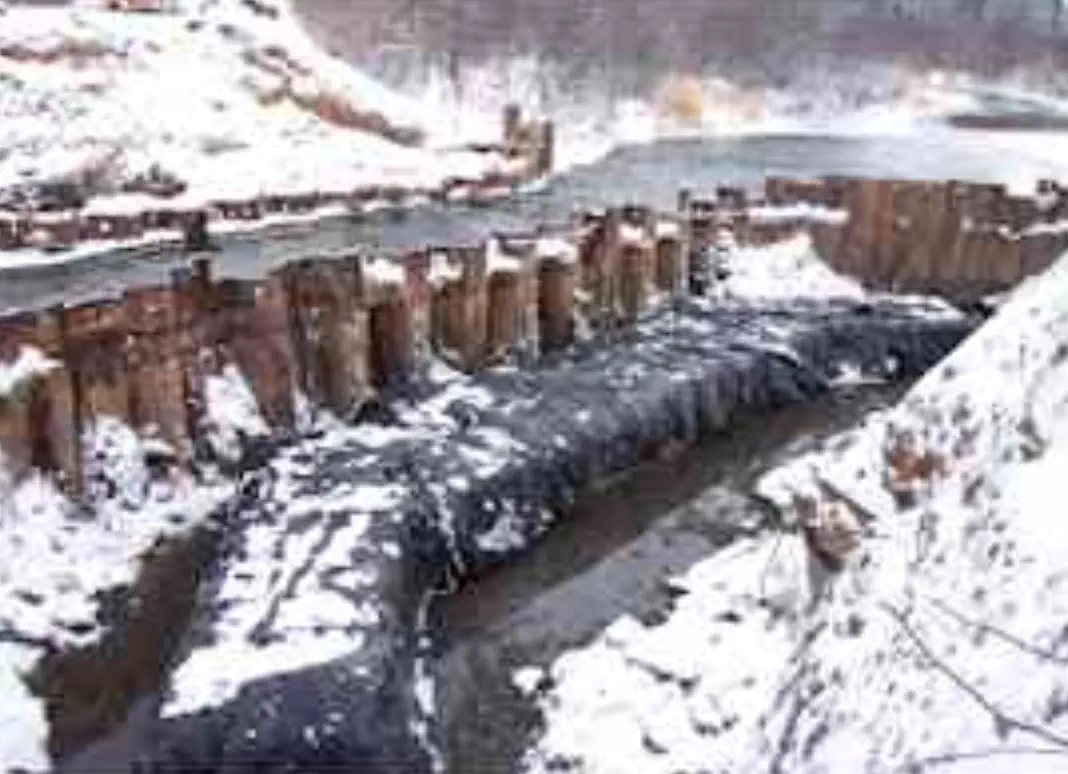
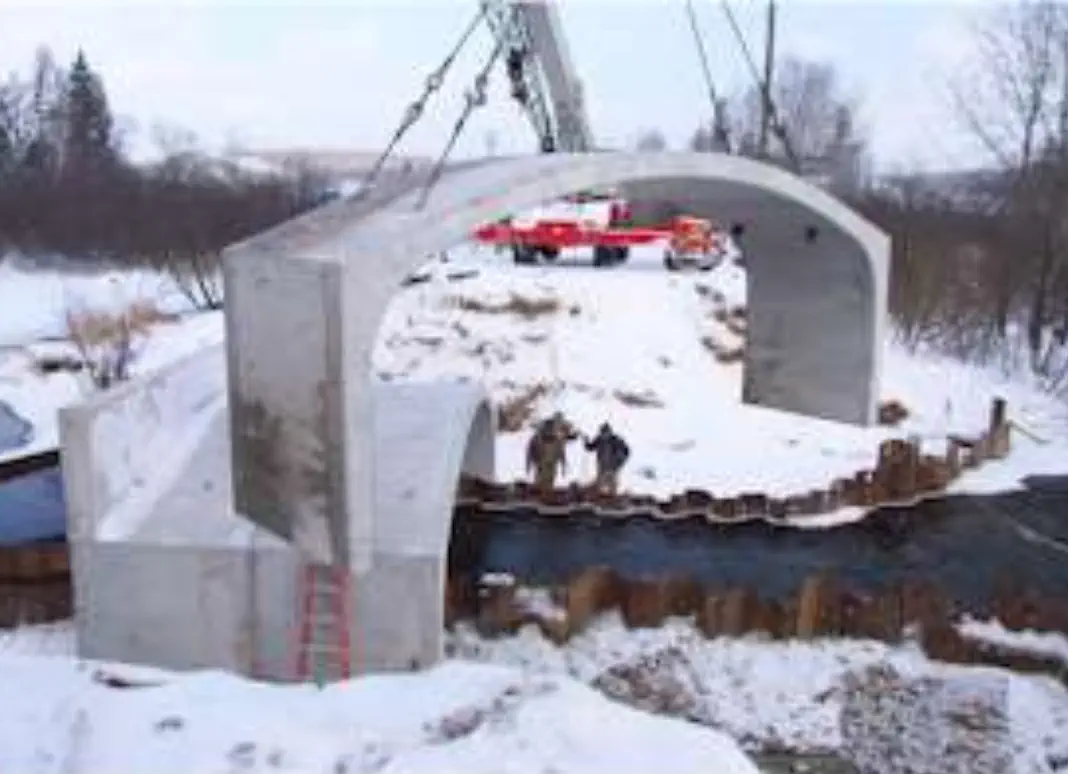
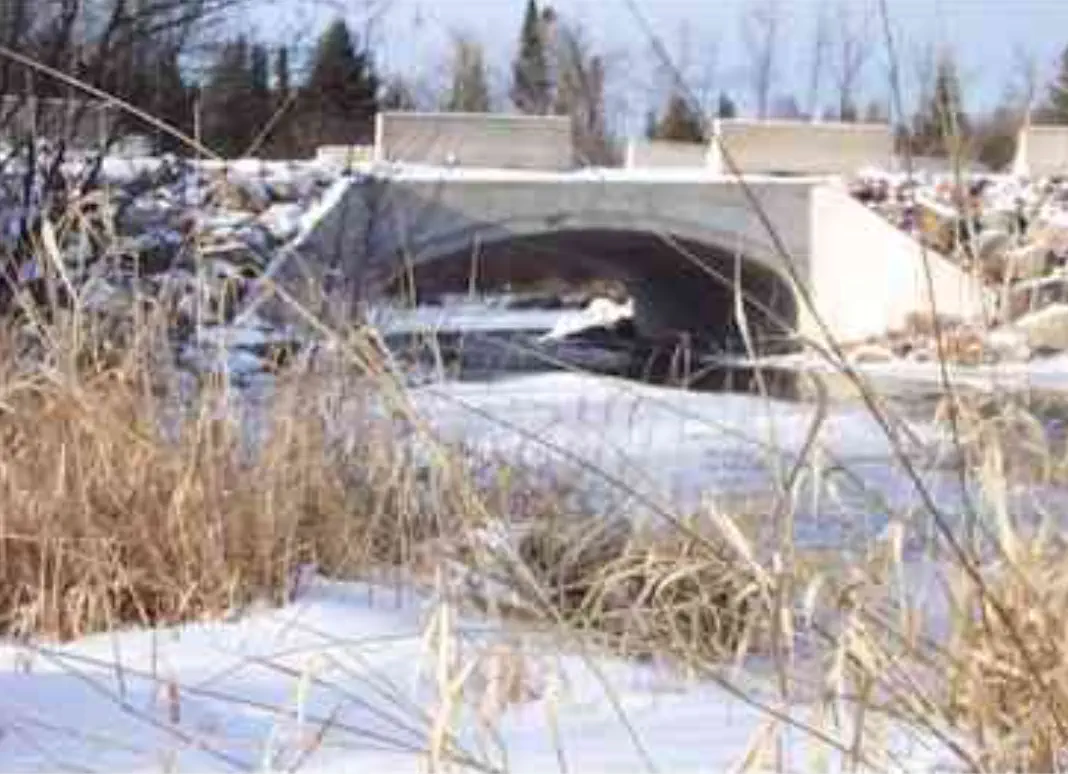
One project where we were able to rectify an improper road crossing was conducted in the winter of 2003. At Schinella-Mottes Construction Co. in Iron River, we were able to replace a two culvert road crossing with a bridge. The culverts that had been there were too small to allow for uninhibited passage of water beneath the road. Because of this, the river backed up behind the crossing and accelerated the water that traveled through the pipe. This situation caused scouring to occur on the stream banks and bottom and, at certain times of the year could limit passage of young fish through the culvert to the upstream side. By installing a bridge we restored a larger, more natural flow that allows for the passage of trout to their upstream spawning areas, and greatly reduces the likelihood of erosion.
Hillside Stabilization
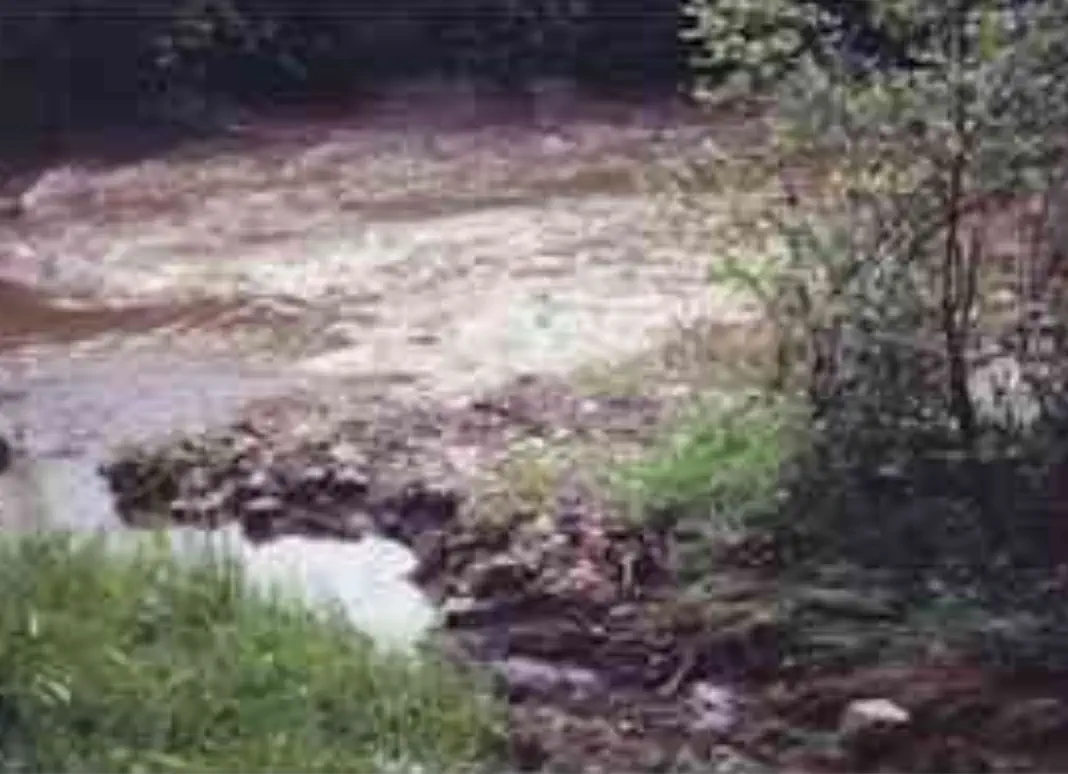
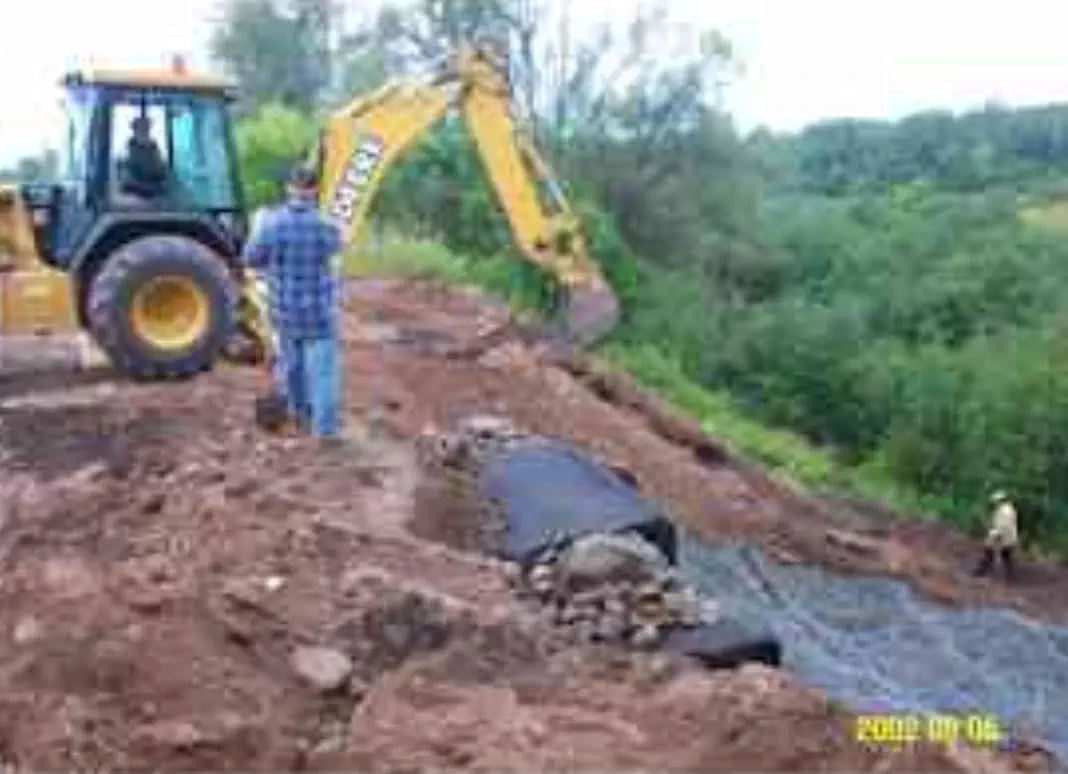
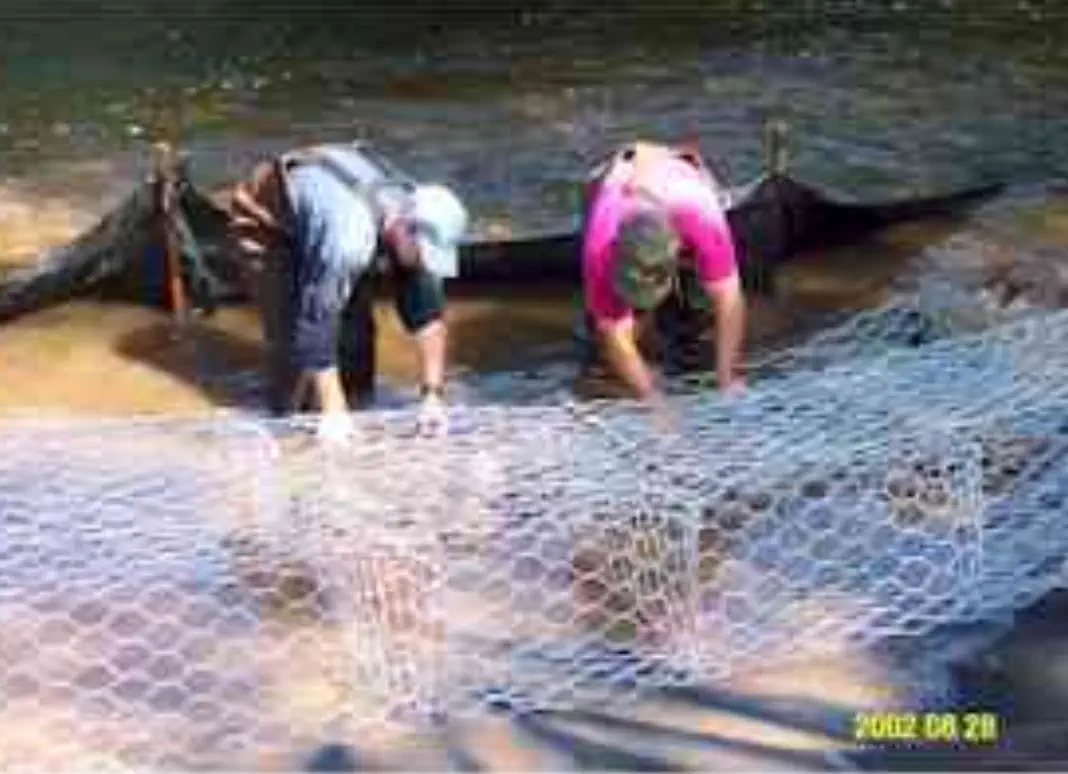
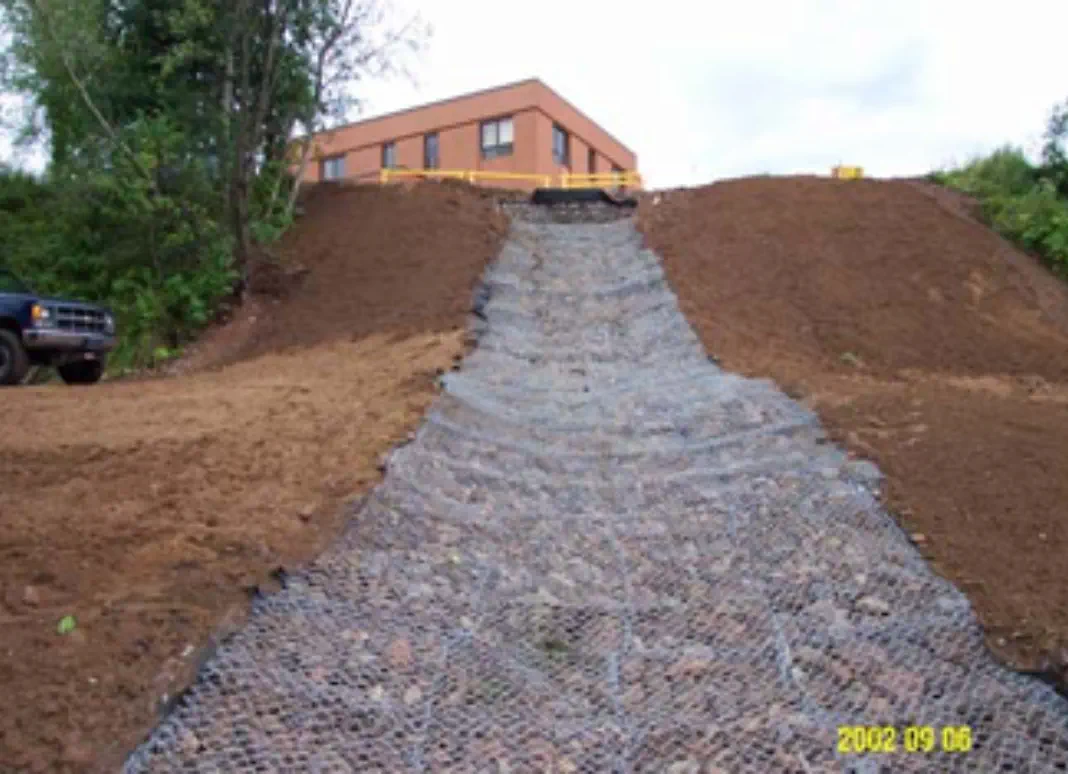
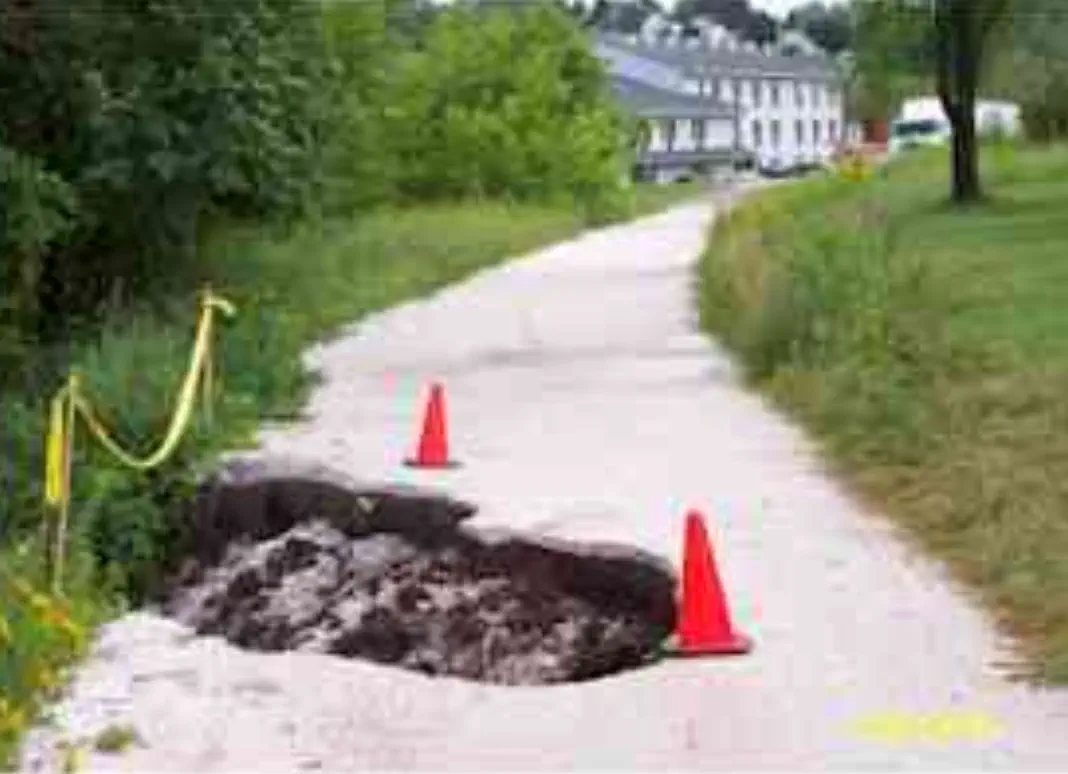
The project known as the ORV/ACE Trail Washout occurred as a direct result of runoff. Runoff from a three-acre area within the City of Iron River converged at a single point along a hillside. The combination of the runoff, along with a broken storm drain pipe, led to a significant washout that displaced tons of sediment and debris into the Iron River. The resulting condition also created a safety hazard to pedestrians on the ORV trail and the ACE walking trail. Through this watershed project we addressed the situation by stabilizing the hillside with a stormwater conveyance channel. Runoff can now flow over the slope without the threat of erosion.